Basement Water Extraction
A safe first assessment sets the pump-out sequence for Spokane Valley basements
View Basement Water Extraction help in Spokane Valley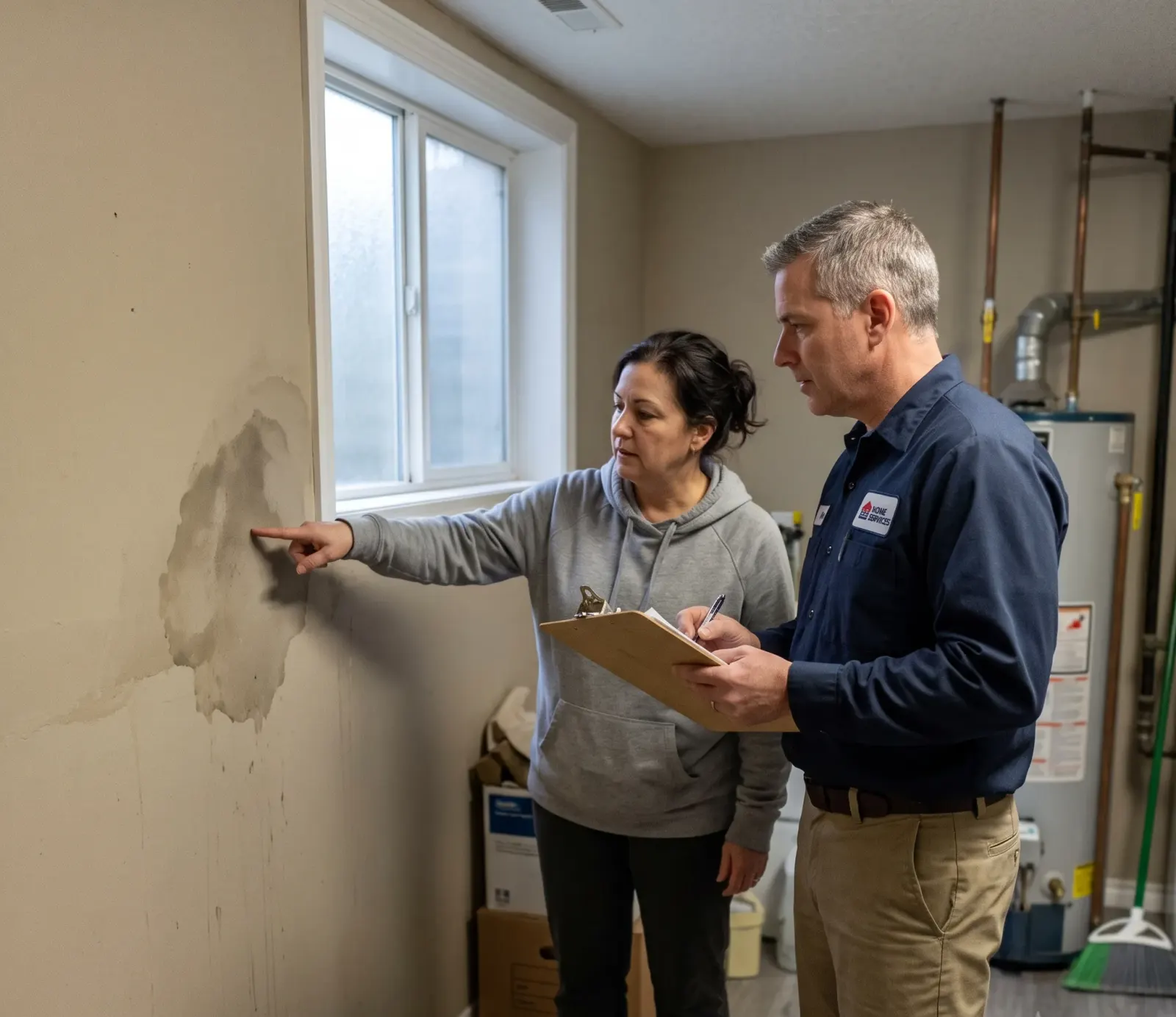
Water may have spread beyond the visible pool, so note wet contents or surfaces that were not directly under the entry point. In Spokane Valley, a wet entry or lower-level floor after a cold spell is a reason to describe the affected rooms before arranging removal; winter freezing can be a concern here, though it does not prove how water entered. The pros we connect you with can use that account to define accessible standing water in a home or business. Mention nearby Mirabeau Point Park or Sullivan Park when identifying the area, then request a written estimate.
Confirm emergency water extraction coverage for your exact address directly with the pros we connect you with.
Check where water has collected, whether it has spread across a walkway, and whether flooring still feels damp after the surface clears. In Spokane Valley, a leak near CenterPlace may leave water gathered along a room’s low edge; water entering by a doorway near Highway 290 can make a slick film across hard flooring. The pros we connect you with can provide urgent extraction from affected areas. Damp carpet or boards after removal may need separate moisture checks and drying, since a clear surface does not show what remains below.
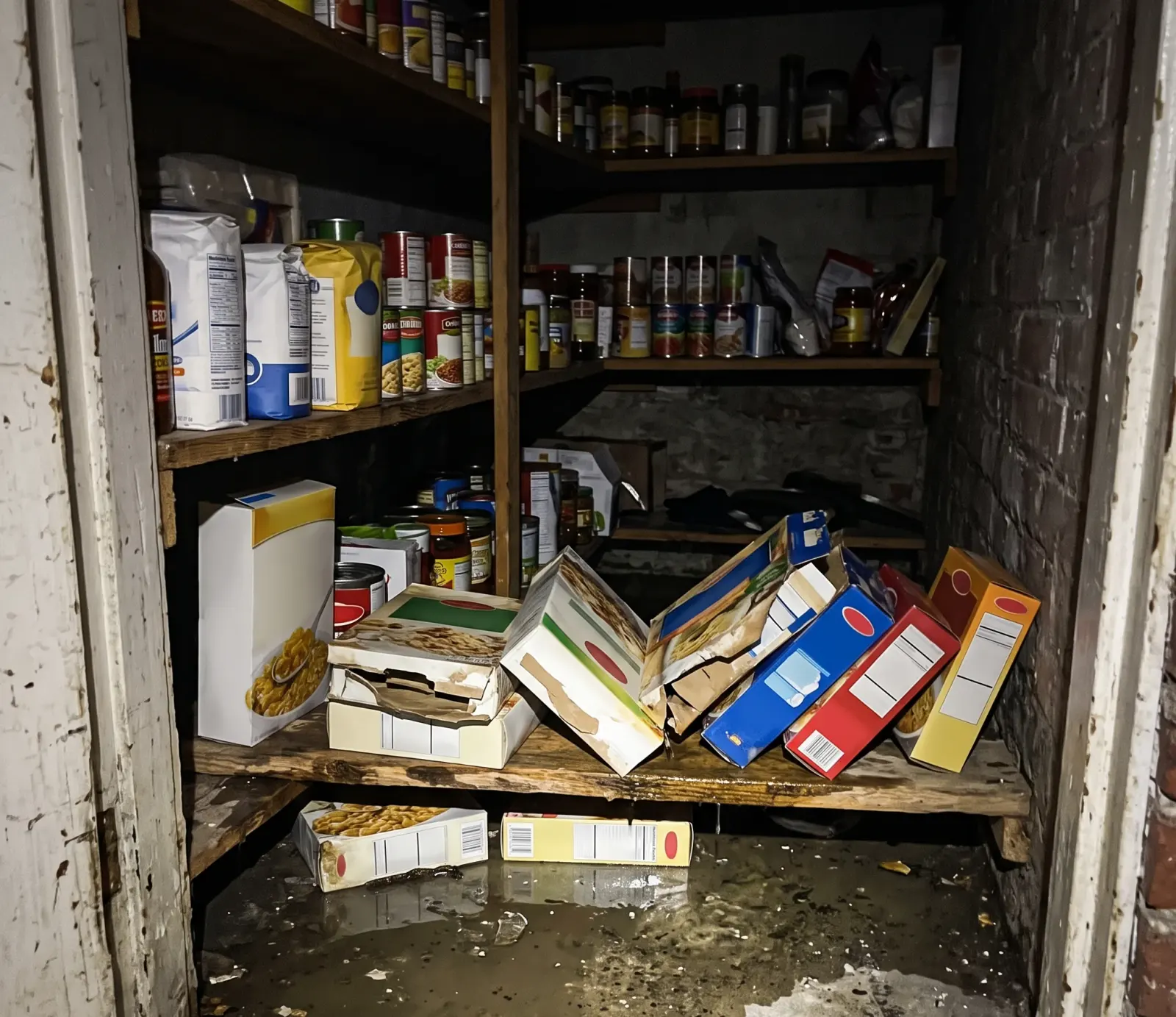
A waterline across the bottom of boxes or furniture can show that the pool extends beyond the open floor. In Spokane Valley, tell the assessor which rooms and storage areas are affected, even when belongings hide the water's edge. From a safe position, note the deepest visible point and whether the level appears to be rising. Those observations help describe the area to be assessed without requiring a homeowner to wade in or move heavy items.
Basement Water Extraction →A reflection under a flashlight can make a shallow pool look deeper, while the waterline against a pier gives a steadier reference. In Spokane Valley, describe which supports are near the visible pool and whether the level appears to reach them; do not move through the space to check. That information helps the pros we connect you with estimate how far removal may need to extend from the opening and what can be assessed without entering an unsafe area.
Crawl Space Water Extraction →When a step leaves a temporary impression or makes a low squelch, water may be held in the pad beneath the carpet. In Spokane Valley, avoid walking repeated paths through the room, since pressure can push water toward dry edges or adjoining areas. Tell the assessor where the sound or soft feel is strongest and whether it changes near a doorway. Those observations help locate carpet pad extraction needs, though they do not measure remaining moisture in other materials.
Carpet and Pad Water Extraction →A shallow shine on the boards can still cover a broad area, while a deeper pool may be confined to one section. In Spokane Valley, tell the pro whether the water is a thin layer or stands high enough to touch the lower edge of nearby trim. That distinction helps describe the removal task and equipment access. Rugs and low furniture can hold water against the floor after the surrounding boards begin to look clear.
Hardwood Floor Water Extraction →The amount and spread of visible water shape the removal discussion. A small pool by one doorway presents a different access question from water extending through adjoining rooms or across a business floor. In Spokane Valley, point out where the water stops, which materials it touches, and whether access is clear; these details help define the proposed extraction area. A location near Avista Stadium does not determine the scope—the conditions inside the property do.
A safe first assessment sets the pump-out sequence for Spokane Valley basements
View Basement Water Extraction help in Spokane Valley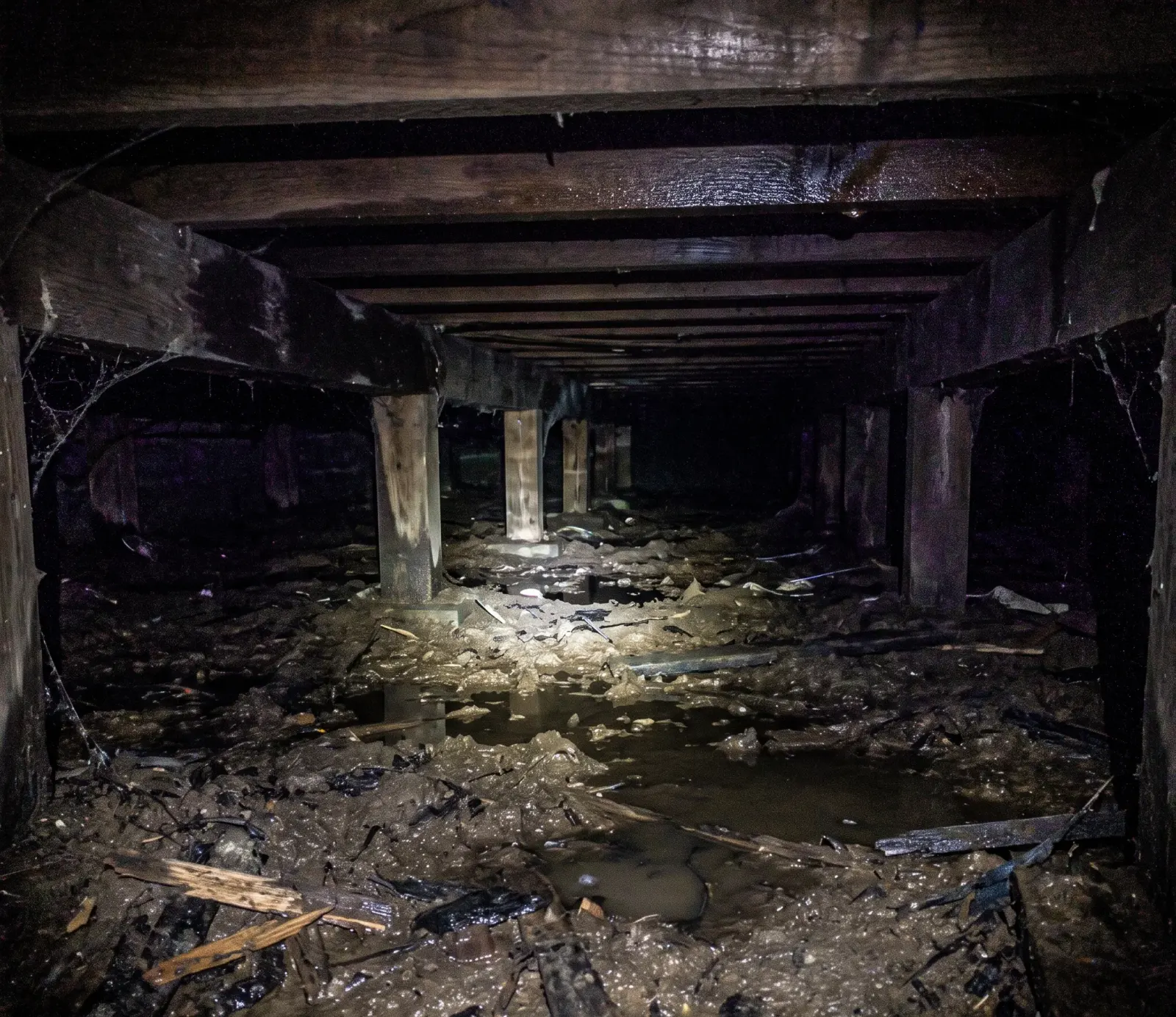
Plan crawl-space water removal around entry, clearance, and safe equipment placement.
View Crawl Space Water Extraction help in Spokane Valley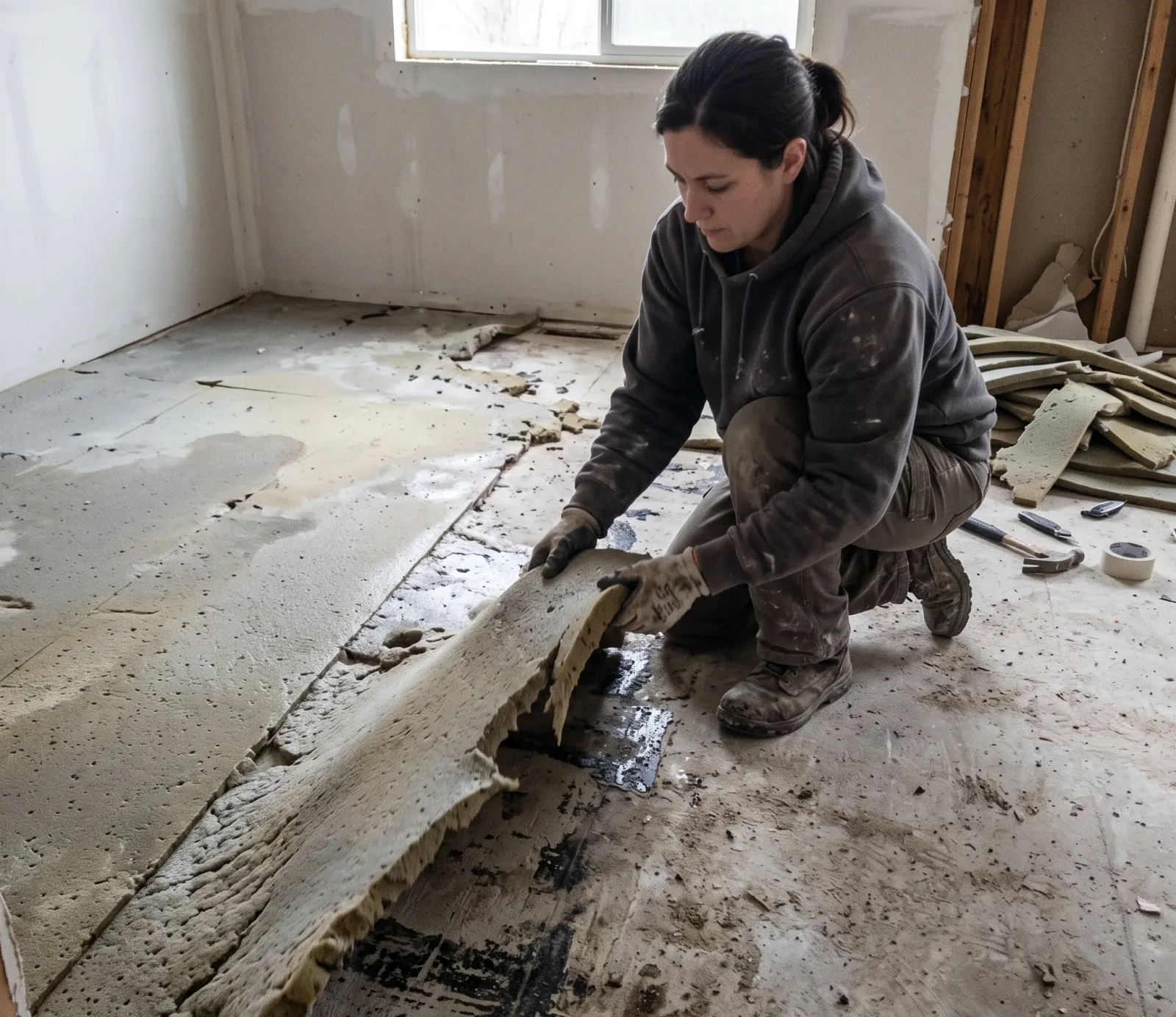
Carpet water extraction depends on access, pad condition, and the wet area’s reach
View Carpet and Pad Water Extraction help in Spokane Valley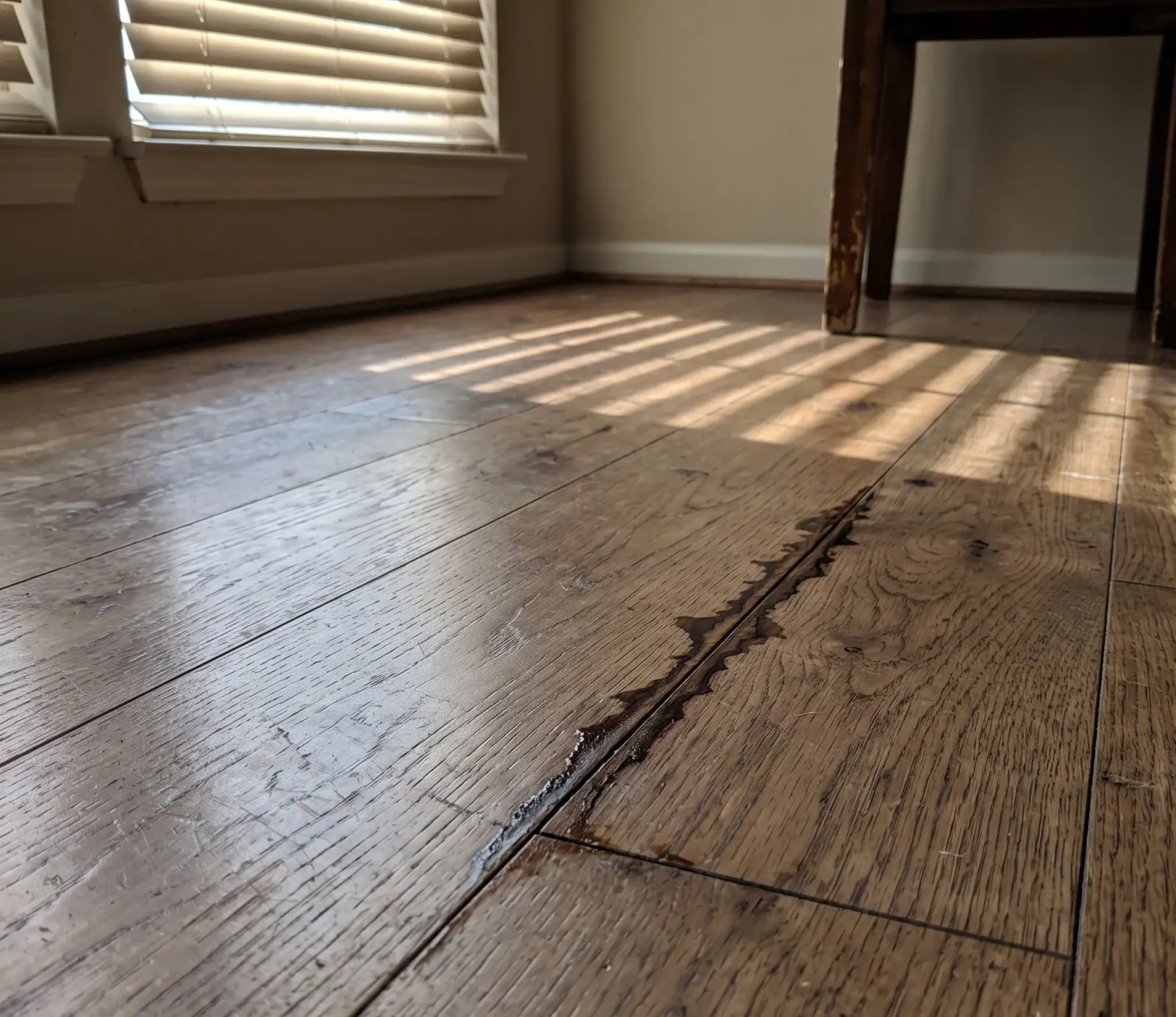
Hardwood surface water removal scoped to the boards, room, and water depth
View Hardwood Floor Water Extraction help in Spokane ValleyWater from an upstairs bathroom can collect on one floor and appear as a damp spot below. In Spokane Valley, check for visible pooling before contacting Basement Water Extraction, Crawl Space Water Extraction, Carpet and Pad Water Extraction; a home near Hill Park may need water removed before remaining moisture can be assessed.
In Spokane Valley, have the pros we connect you with describe which rooms and surfaces their water removal covers, then ask how they will locate moisture left behind and whether a written scope or job record will be provided.
Across Spokane, the service area includes communities from Spokane and Spokane Valley to Liberty Lake and Newman Lake with different street patterns. A homeowner in Spokane Valley near Avista Stadium can provide the address, letting the pros we connect you with verify the destination before discussing extraction.
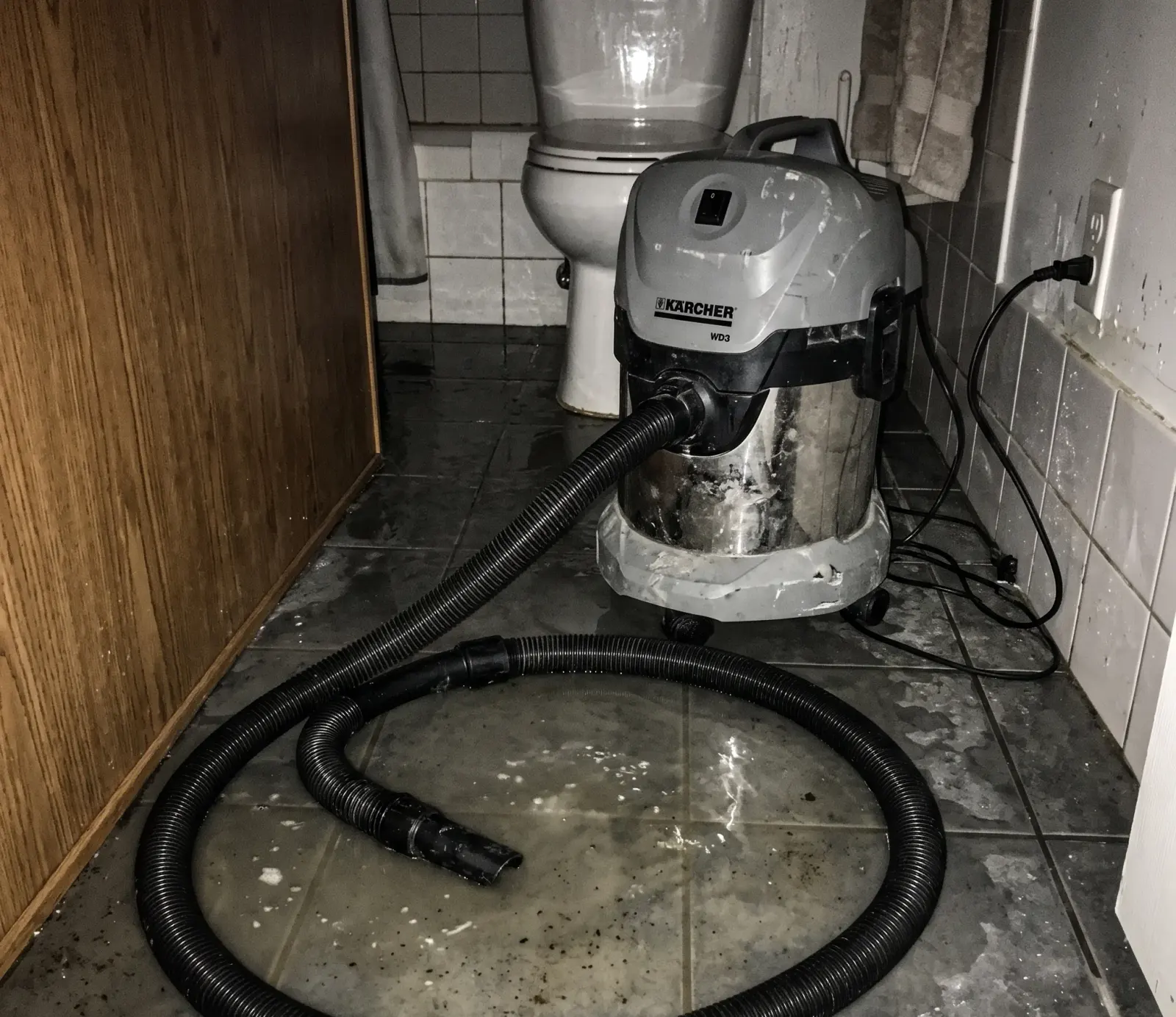
For a Spokane Valley home or business, describe whether water is still entering, where it stands, and whether sewage or chemicals may be involved. A pooled area near Greenacres Park or Mirabeau Point Park does not by itself say what caused the intrusion; location alone cannot define the work. The pros we connect you with can use those details to outline accessible water removal in a written estimate. Keep out of standing water if outlets or appliances may be wet. Note any dampness on nearby walls or floors.
When water appears on a floor, note which rooms are affected, what seems to have let it in, and any safety concern before discussing work. In Spokane Valley, a homeowner near CenterPlace might describe water at a doorway, while another by Avista Stadium may report a different affected area; neither detail sets the scope by itself. The pros we connect you with can assess accessible water on site, explain what extraction can reach and its limits, then provide the proposed work and estimate in writing. Keep people away from areas where electrical safety is uncertain.
Call (509) 800-4628 or use the online form. Note the rooms or areas with pooled water, how far it has spread, and whether more is coming in. Describe whether the water is pooled or has reached materials that may need later assessment or drying.
How will the provider check the affected area and remaining dampness? Ask whether that review has a charge and how the removal tasks will be defined before work is proposed.
Before removal starts, find out what steps will protect people in the affected space and have those precautions listed in the work description.
Will the provider record which materials remain damp and where equipment is placed? Ask the pros we connect you with for the written scope and any terms that apply to the work.
After visible water is removed, damp flooring or wall edges can still point to moisture beyond the extracted area. In Spokane Valley, a home near Mirabeau Point Park and one along U.S. Route 2 may have different materials to assess; drying equipment is a separate step to discuss after extraction. Ask for the proposed scope and estimate in writing, and save photos and related records to share with an insurer. Extraction does not fix a leak or include remediation or rebuilding. What remains damp, and which follow-up work needs its own scope?
Describe what parts of the affected area are wet and what concern needs attention before discussing next steps with the licensed pros we connect you with.
Before agreeing to service, ask what the visit includes and request the removal tasks and related charges in a written description.
Have the written work description distinguish pooled water removal from moisture follow-up, and list repair of the leak as a separate task.
Ask what moisture readings or checks are planned, and what written findings will be shared afterward.
In Spokane Valley, water crossing a doorway can wet adjoining floors, furnishings, and stored items while an active leak or overflow continues.
In Spokane Valley, water that reaches a hallway can carry into another room before the original area is cleared. A wet hallway can make it harder to move between rooms while water is being removed.
Removal steps, signs of leftover dampness, and useful guidance for Spokane Valley homeowners.
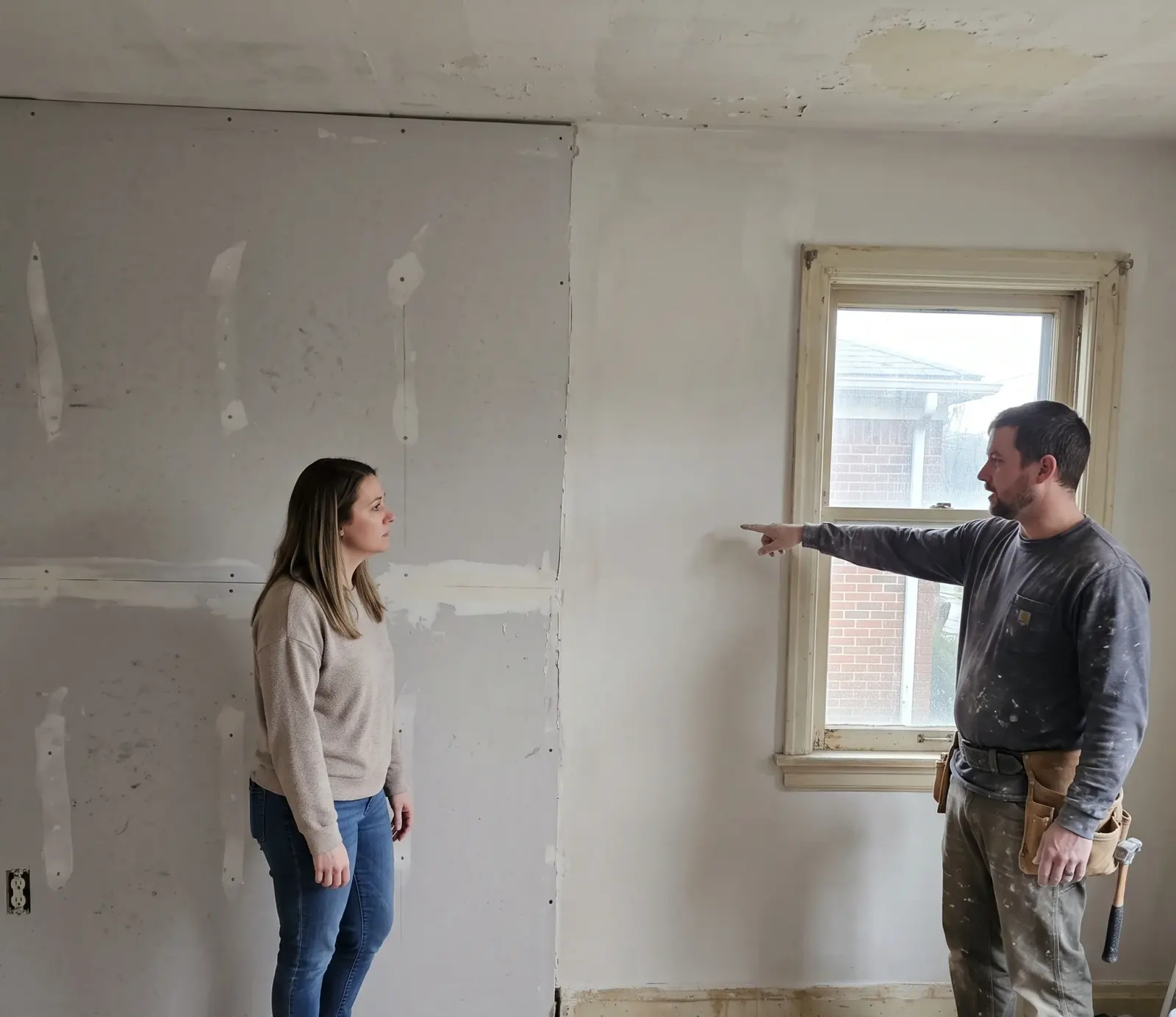
Learn when walking through standing water in a Spokane Valley property is unsafe, what floor and electrical clues to watch for, and how to keep others clear.
Read article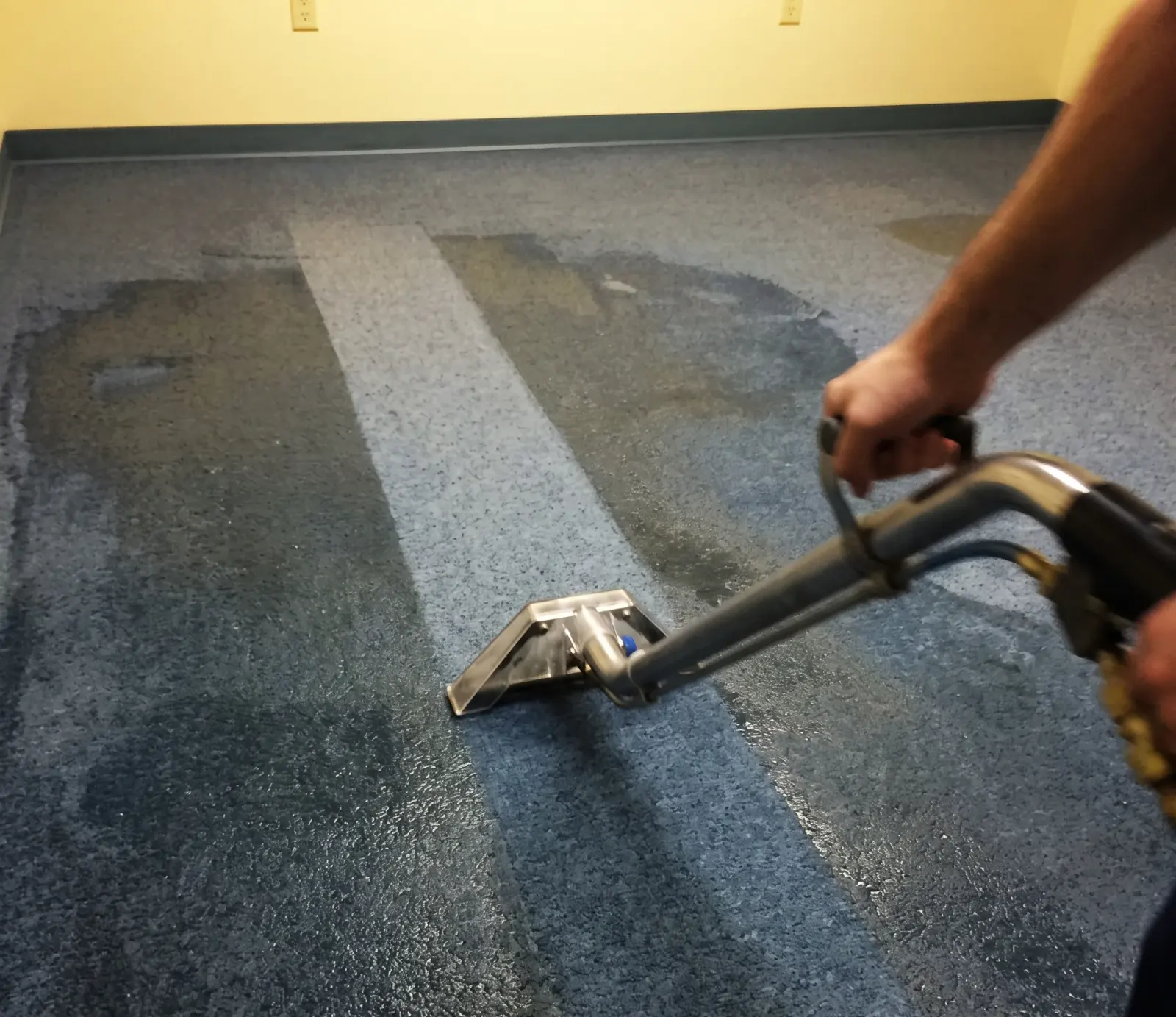
How long does emergency water extraction take in Spokane Valley? See what changes the estimate and what details to share with local pros.
Read article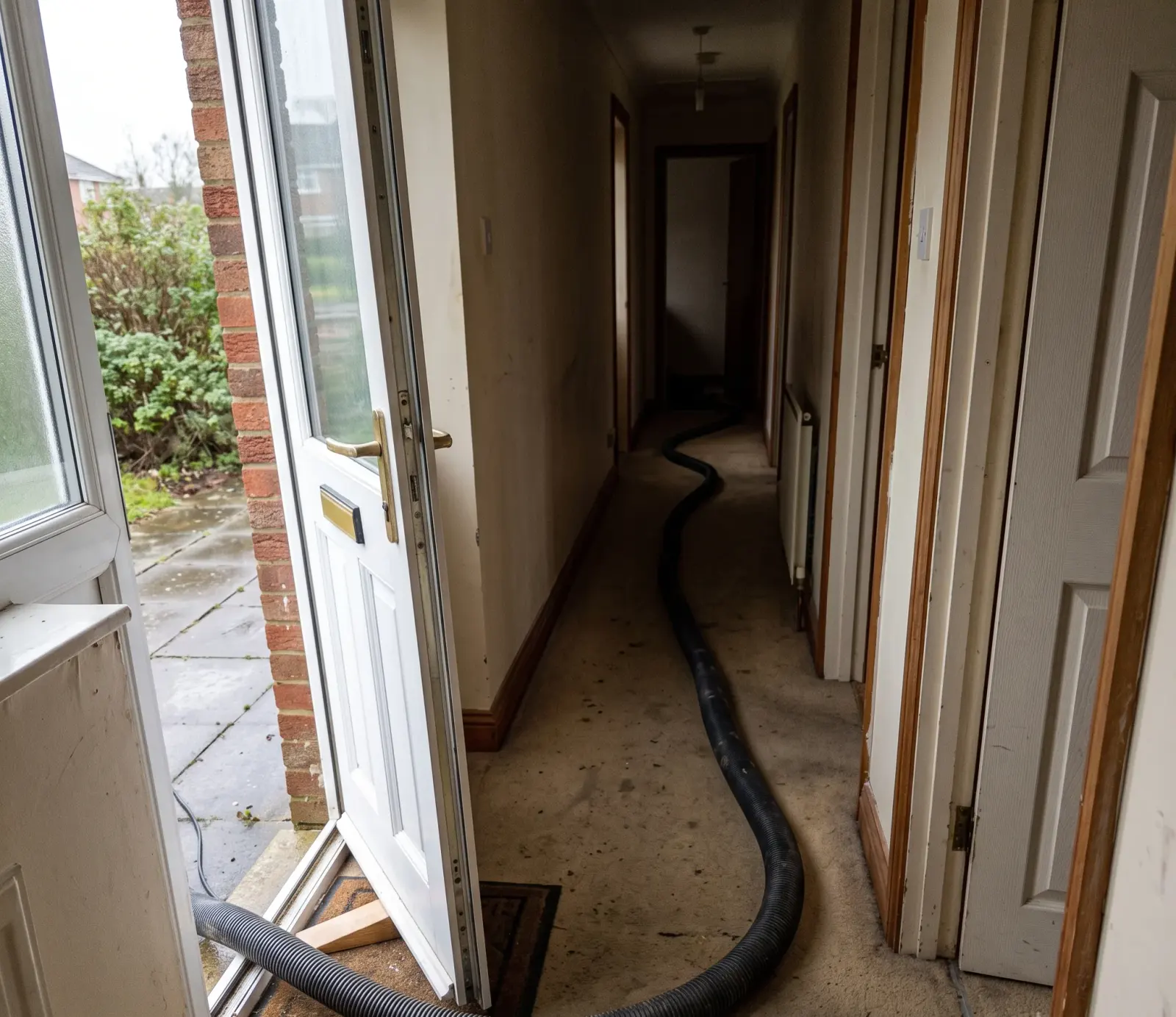
How quickly can an extraction provider reach a Spokane Valley home? Learn how seasonal conditions, location, and current availability shape the estimate.
Read articleFor a Spokane Valley home or business, start by noting where water is visible, which areas it reaches, and whether nearby outlets or equipment are wet. That description gives the pros we connect you with a basis to discuss urgent removal of accessible water and the area to address. Greenacres Park and Mirabeau Point Park are local reference points, but a nearby landmark cannot show what is happening inside a property. Contact us to describe the affected spaces and request a written estimate.
Spokane coverage spans central, north, and south city neighborhoods; the full address helps confirm the service area.
Emergency Water Extraction in SpokaneIn Spokane Valley, confirm association access and approval before extraction reaches a shared room or hallway.
Emergency Water Extraction in Spokane ValleyLiberty Lake coverage includes ZIP 99019; seasonal winter freezes are a relevant household water concern.
Emergency Water Extraction in Liberty LakeNewman Lake’s public lake access gives callers a local reference; the property address and observed damage define the estimate.
Emergency Water Extraction in Newman LakeFind the Right Next Step
Review how pooled water is removed, how damp materials may be checked, when drying equipment could follow, and what records describe the work.
The home guide covers safety around pooled water, removal tasks, and details to settle before residential service begins.
Ask the provider to explain moisture check results, drying equipment, and any work description in words that make each task clear.
Use visible pooling, wet surfaces, or damp materials to identify which concerns need attention.
In Spokane Valley, ask the provider to describe the work plan, the areas it covers, and any tasks that would need a separate estimate. If the proposal includes construction or repair work, check Washington contractor registration for that work; registration is not a state license for water extraction. A homeowner near Liberty Lake can use the same questions before agreeing to the service.
Have the service address, a callback number, and a brief account of what happened. If you can do so safely, stop the water at its source to limit further spread. In Spokane Valley, clear photos can help explain the layout before a visit, but do not enter an area that may be unsafe to photograph.
Yes, ask for a written estimate or scope before work begins, with the affected areas and planned tasks identified. It should also make clear what the proposal leaves out or treats as separate work. A homeowner in Spokane Valley can keep that document with later invoices and refer to it if the work plan changes. Ask for an updated version when the agreed tasks or areas change.
Keep clear images of affected rooms and belongings, along with the written estimate, the work scope, and invoices. Make a brief note of when the water was found and what changed as work proceeded. In Spokane Valley, label records by room or area so the sequence is easy to follow later. These materials can help communicate what was observed and what removal work was performed; they do not determine coverage.
Watch from a safe location for sagging ceilings or bulging walls. Do not wade in to inspect or retrieve belongings. Keep others away and seek qualified guidance; follow local emergency instructions if the area may be unsafe. In Spokane Valley, tell the provider what you observed from a safe location so the hazard can be considered before anyone enters.
The extraction visit addresses standing water; drying and repair work may be handled under separate scopes. A broken pipe or other active source needs attention apart from removing water, and rebuilding or remediation may also require separate arrangements. Before work starts in Spokane Valley, ask who is responsible for each next step and whether it appears in the written plan. Do not assume one estimate covers every part of recovery.
Look for named rooms or areas, the removal tasks planned in each, and any limits or exclusions. Broad labels can leave a homeowner unsure whether a basement, closet, or separate floor is included. In Spokane Valley, ask the estimator to clarify unclear entries and identify work that would be added only after separate approval. Keep the revised estimate so the agreed boundaries are easy to compare with the invoice.
Contact the insurer or insurance agent for an explanation of the policy terms and how they relate to the loss. Ask what records they need and how to submit them; only the insurer can address its coverage decision. The written work documents can help the owner describe what happened and what was done, but they cannot interpret the policy. A Spokane Valley homeowner should keep the claim discussion separate from the service estimate.
Tell the provider that water is continuing to enter and describe what is visible from a safe place. Removing pooled water will not stop the source, so the active leak or other entry point needs separate attention. For a Spokane Valley home near Otis Orchards Library or Otis Orchards School, give the address and affected areas clearly when requesting help; do not cross standing water if an electrical hazard may be present.
The estimate is $700–$1,400 for the work described. The provider confirms the figure after reviewing water volume, affected materials, access, and the agreed scope.
In Spokane Valley, describe whether water covers a basement floor, sits near a water heater, or is still entering from a source. Request an estimate that identifies the removal area, any visit charge, and the work proposed after extraction. Near Town Square Park, for example, a homeowner may need moisture checks or drying after standing water is removed; those steps should be clear in the written scope. Ask which tasks the estimate includes so the owner can compare proposals on the same basis.
Call (509) 800-4628